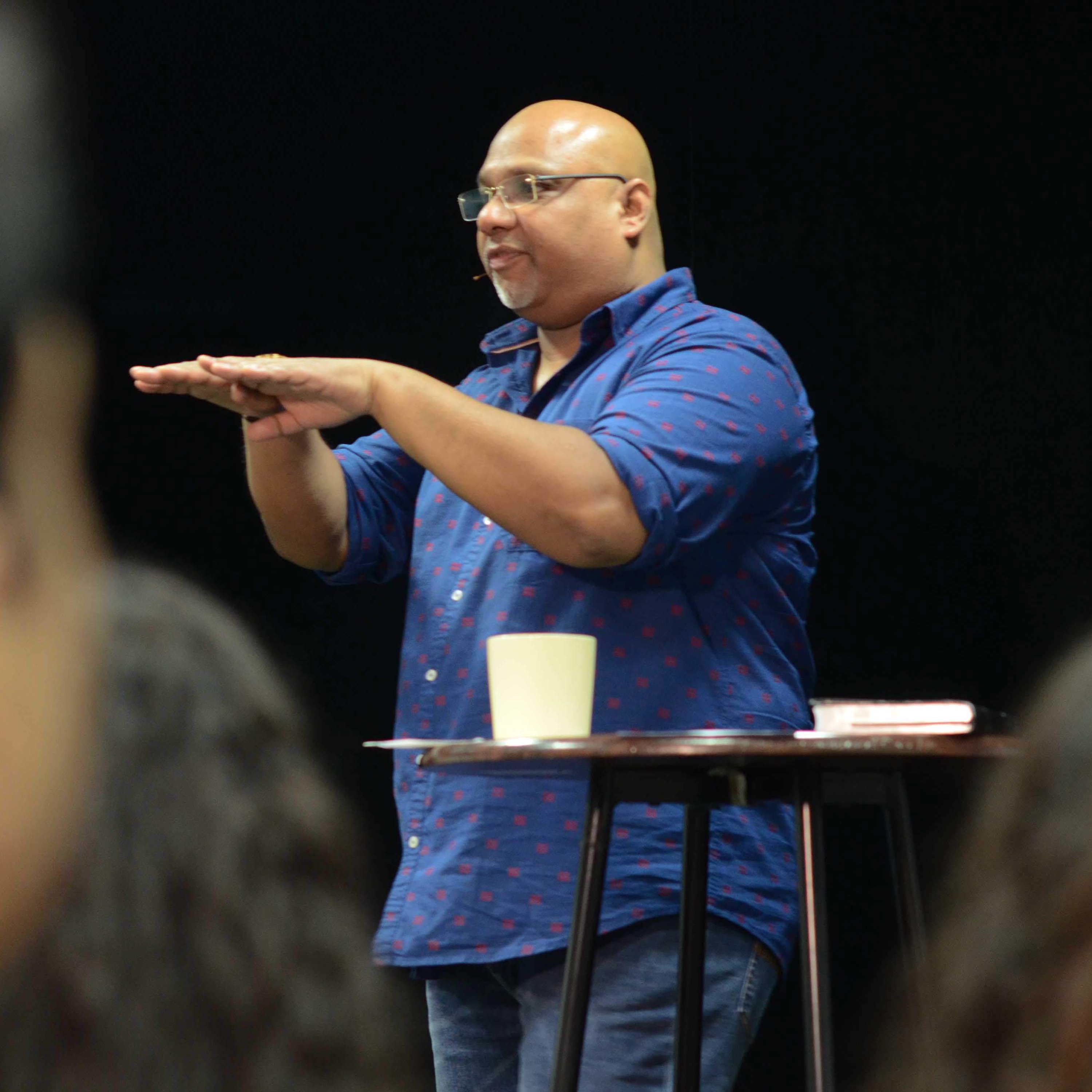
Victory Church: Paul Daugherty is shaped like the room it comes from: lively, responsive, Scripture-heavy, and aimed at immediate spiritual practice. It is not detached Bible commentary. The messages usually begin with a passage, a phrase, or a church moment, then build through repetition, story, and direct application. Paul Daugherty appears frequently, preaching on resurrection authority, Gideon’s anointing, love of God and neighbor, self-relationship, and the spiritual meaning of necessary endings. The show’s center of gravity is transformation. Listeners hear faith described as authority, access, responsibility, obedience, service, and surrender. Some episodes carry the charge of an altar call. Others feel like anniversary reflection, pastoral panel, or guest message. Lynette Lewis brings a kingdom-of-God frame to ordinary questions about family adventure and purpose. Terry Henshaw reaches back into Victory’s early years, recalling the first service, school sports, crusades, and the scale of ministry that grew around the church. Ron McIntosh teaches on the believer’s anointing with a pulpit storyteller’s mix of politics, humor, prayer, and confrontation. The Victory pastoral team episode widens the format, giving five speakers a shared passage and a shared concern: fear, anxiety, war, protests, disaster, and the need for peace. The show often turns heavy material toward hope. A story about a suicide cliff becomes a call to serve. A cancer testimony becomes a claim about prayer and faithfulness. Gideon’s insecurity becomes a mirror for people who feel called but unqualified. Its rhythm is familiar to charismatic church listeners: a Bible text, a memorable phrase, a human story, then a push toward action. It is best for people who want Christian teaching that sounds lived-in, communal, and urgent. The sermons keep circling back to a simple demand: receive grace, walk in obedience, and do something with what has been heard.


.jpg)