Topics / Torah & Talmud Study
Torah & Talmud Study Podcasts
260 shows and 80,495 episodes sit under Torah & Talmud Study.
Daf yomi, parsha shiurim, Chasidic text study, and weekly Torah learning. Find the right Torah and Talmud study podcast for your level and schedule.
Swipe · Torah & Talmud Study only
Swipe through Torah & Talmud Study
Save time discovering your next favourite podcast by listening to just the best minute of an episode.
The torah & talmud study slate · every cover a link
All 260 torah & talmud study shows →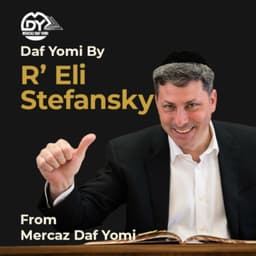












Next to this on the shelf
Every subtopic on this beat
The beat, written
What is actually on this beat
One voice charges through the daf with the energy of a crowded beis midrash. Another lets a Torah question circle the room until its practical stakes come into focus. Elsewhere, two readers slow the passage down, test competing interpretations, and leave some difficulty intact. The choice is really about how you like to learn.
For wider Jewish listening, the Judaism page places these shows beside Halacha & Jewish Law, which concentrates on legal questions, and Jewish Holidays & Observance, which follows the ritual calendar. Jewish Thought & Spirituality moves further toward theological and inward reflection. Here, sustained engagement with the text remains the organizing act.
Keeping pace with the daf
Daf Yomi with R' Eli Stefansky (MDY) sounds spoken first and barely tidied afterward. The teaching moves quickly through questions, explanations, corrections, jokes, and reactions from the room. Hebrew, Aramaic, Yiddish, and English mingle without ceremony.
Community life shares the stream with the learning, giving the show the intimacy of a daily appointment rather than a formal lecture. Its run through Chullin can be entered almost anywhere, though consecutive listening preserves the rhythm: Daf Yomi Chullin Daf 86 by R' Eli Stefansky leads directly into Daf Yomi Chullin Daf 87 by R' Eli Stefansky. This is the most kinetic option here. It suits listeners who already know the cadence of daf study and want to feel pulled along by it.
A question pressed until it matters
Rabbi Zushe Greenberg works in the atmosphere of a live Torah class. A textual problem is stated, turned around, restated more plainly, and brought back to lived obligation. Participant readings and interruptions belong to the texture, while one teacherly voice keeps the argument moving.
The episode titles often pose their own challenge. Torah Class - Parshat Devarim: You're the Boss - It's on You puts responsibility up front, while Torah Class - Parshat Balak: Is Prophecy About to Return? opens a more speculative door. Humor and everyday synagogue language keep the classes from sounding institutional. The result is brisk, direct, and comfortable with digression.
Close reading with room to reconsider
Matan: One on One Parsha Podcast takes a more measured route. Its complementary voices situate a passage, identify the interpretive problem, and then work outward toward larger human or theological stakes. Clarification happens through exchange. A counter-reading may complicate the first answer rather than merely decorate it.
That patience is especially inviting when the text resists a quick lesson. Episode 260- Parshat Vayikra: When Sacrifice Is Not Enough begins with tension already built into the title. Episode 255 - Parshat Mishpatim: Disillusionment with Spiritual Leadership signals similarly difficult ground. This is the strongest fit if you enjoy hearing an interpretation develop and sometimes reopen.
Study in sequence
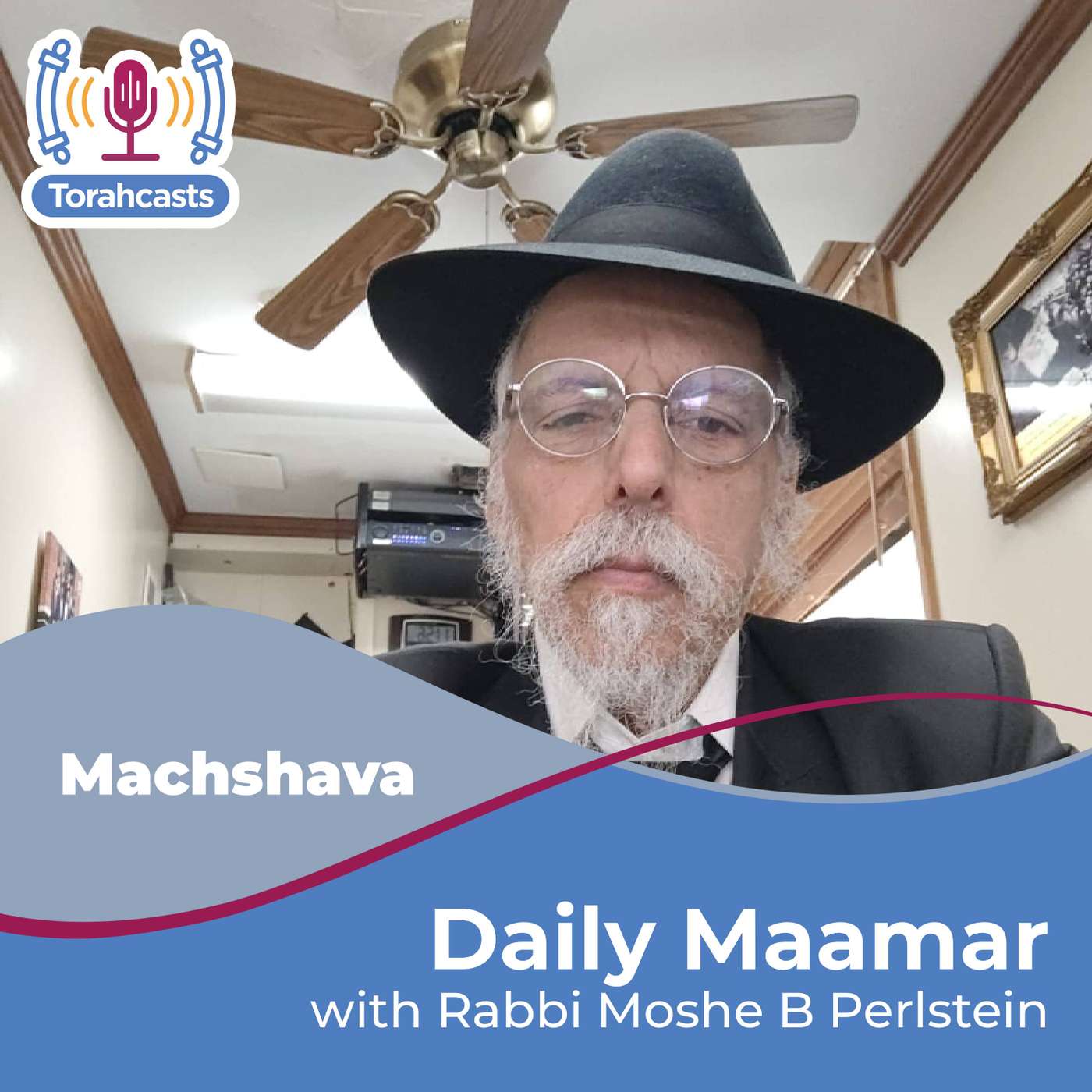
Daily Maamar presents its learning in compact numbered runs. The structure makes it easy to stay with one text over successive installments. Lag B'omer 5711, Toras Menachem, Vol. 3 - Episode 1 begins one such sequence, followed by Lag B'omer 5711, Toras Menachem, Vol. 3 - Episode 2 and a third episode.
Other runs are keyed to dates and source volumes, including Yud Shvat, 5711, Maamorim Melukatim Volume 2 - Episode 3. Start at the first numbered installment when possible. This is the clearest choice for a listener who prefers continuity over a self-contained weekly discussion.
Where to start
Choose Daf Yomi Chullin Daf 86 by R' Eli Stefansky for speed, room energy, and daily-daf momentum. Try Torah Class - Parshat Devarim: You're the Boss - It's on You for a live teaching voice that pushes toward action. For slower paired interpretation, begin with Episode 260- Parshat Vayikra: When Sacrifice Is Not Enough. If serial study is the appeal, start with Lag B'omer 5711, Toras Menachem, Vol. 3 - Episode 1 and continue in order.
Featured shows below are part of the PlayNext catalog. Updated weekly.
Recommended clips
The best minutes on this beat
The highest-scoring 60-second moments anywhere in torah & talmud study, one per show.
Drawn from 897 playable clips across 69 shows.
New on PlayNext
Just added to Torah & Talmud Study
The newest torah & talmud study clips in the library, one per show — ordered by when the clip was made, not when the episode came out.
10 clips, one per show, added between 2026-08-01 and 2026-09-06.
Featured shows
4 shows, described rather than listed
Each has a written blurb stored with the page, with the role its editor gave it on this beat.
Fast, spoken beis midrash style with Hebrew, Yiddish, Aramaic, and English moving together — the gold standard for daf yomi listeners.
Titles read like doorways into the parsha rather than source labels — a strong weekly anchor for parsha study.
Conversational, teacherly Torah classes that cover parsha and holiday learning with a live-room feel.
Chasidic text study with bibliographic episode titles — built for listeners who want maamar-level learning.
Where to start
4 routes in, one per reader
Plain, title-first daf yomi format — easy to scan and follow without surrounding room noise.
Bridges weekly parsha and festival learning in a single feed, useful when the calendar itself is the prompt.
Labels episodes with categories like 'fundamentals' and 'parsha principles' so the topic is visible before you press play.
Each episode names its ethical angle in the title — environmental protection, brotherly love, justice — so you know the lens up front.
Glossary
Words this beat uses without explaining
A daily Talmud study schedule that takes approximately 7.5 years to complete, with Jews worldwide studying the same page each day.
The weekly Torah portion, divided into 54 sections read in annual cycle in synagogue.
A structured Torah lesson or class, ranging from a brief daily teaching to a lengthy formal lecture.
A formal Chasidic discourse on a Torah or mystical theme, particularly in Chabad tradition.
A house of study; the traditional learning hall where Torah and Talmud are studied, often with lively discussion.
The rabbinic commentary that, together with the Mishnah, forms the Talmud; the analytical core of traditional Jewish learning.