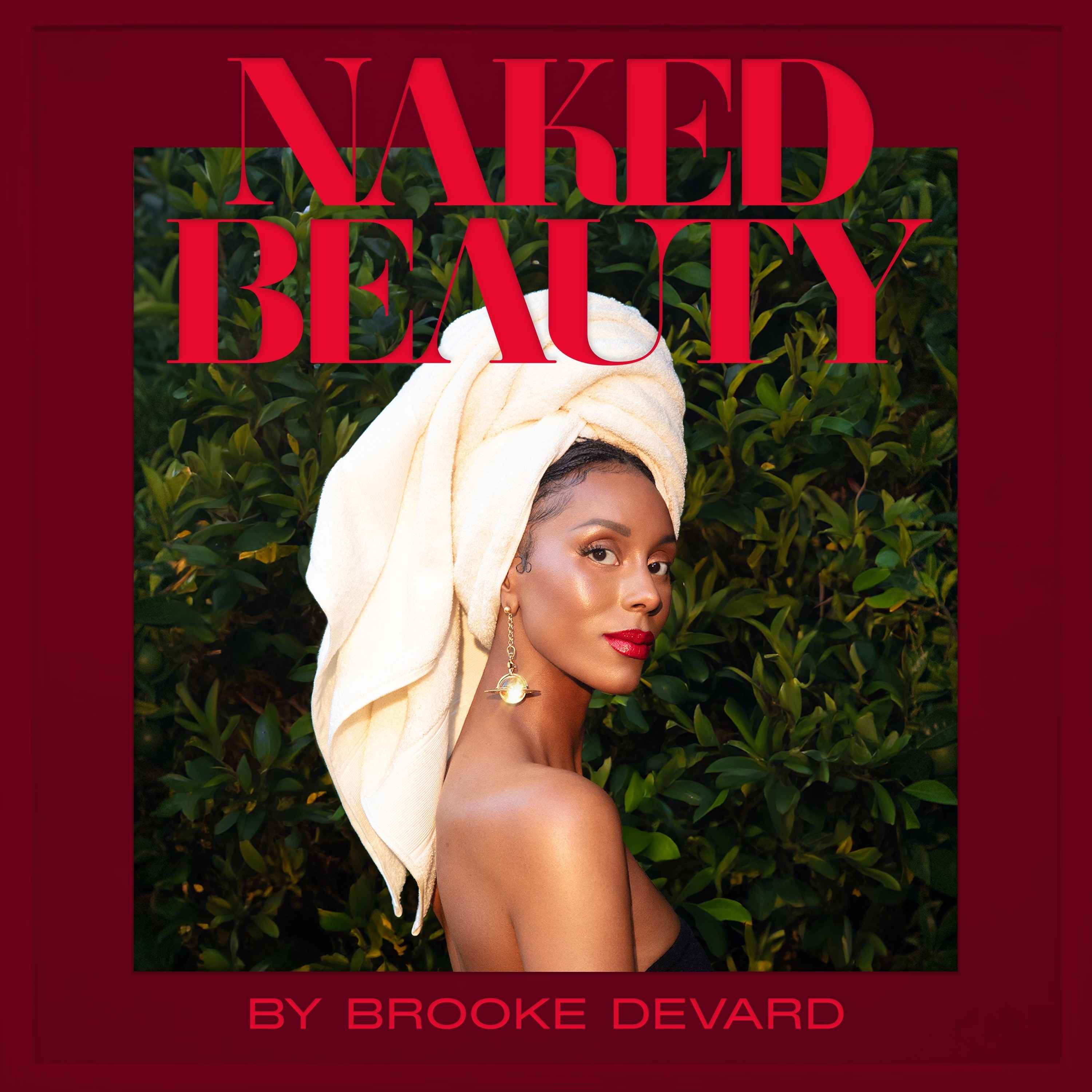
Naked Beauty approaches beauty as a record of experience. The show is interview-led, warm, and attentive, with conversations that begin in a routine, a product, or a career milestone and then move toward something more revealing. It can spend time on a spa business, a fragrance accord, a nutrition reset, or a silk press without treating any of those things as shallow. The details matter. So do the lives around them. Recent episodes connect self-care to business ambition, especially through conversations with beauty founders who have built brands from personal frustration, cultural instinct, or a clearer idea of who had been left out. A talk with Cindy Ramirez-Fulton frames Chill House as both a nail and wellness company and a response to beauty spaces that once felt dull. An episode with Asia looks at fragrance as something tied to identity, fantasy, and personal reinvention. Hair conversations with Corey Moreno make texture, transformation, red carpet styling, and natural hair expertise feel part of the same craft tradition. The show also widens beautifully into mood and memory. With Alicia Keys, skincare turns toward self-trust, spiritual practice, and presence. With Bozema St. John, the frame expands into grief, intuition, visibility, and the risk of choosing a public pivot when private counsel says no. Wellness is treated with similar intimacy, especially in episodes about food, autoimmune health, and the difficulty of caring for oneself while carrying work and family responsibilities. The result is not a tips show, though it contains plenty of usable detail. It is beauty culture with a life attached. Naked Beauty is best when it lets admiration coexist with curiosity, giving guests room to tell the story behind the face, the formula, the scent, or the company.