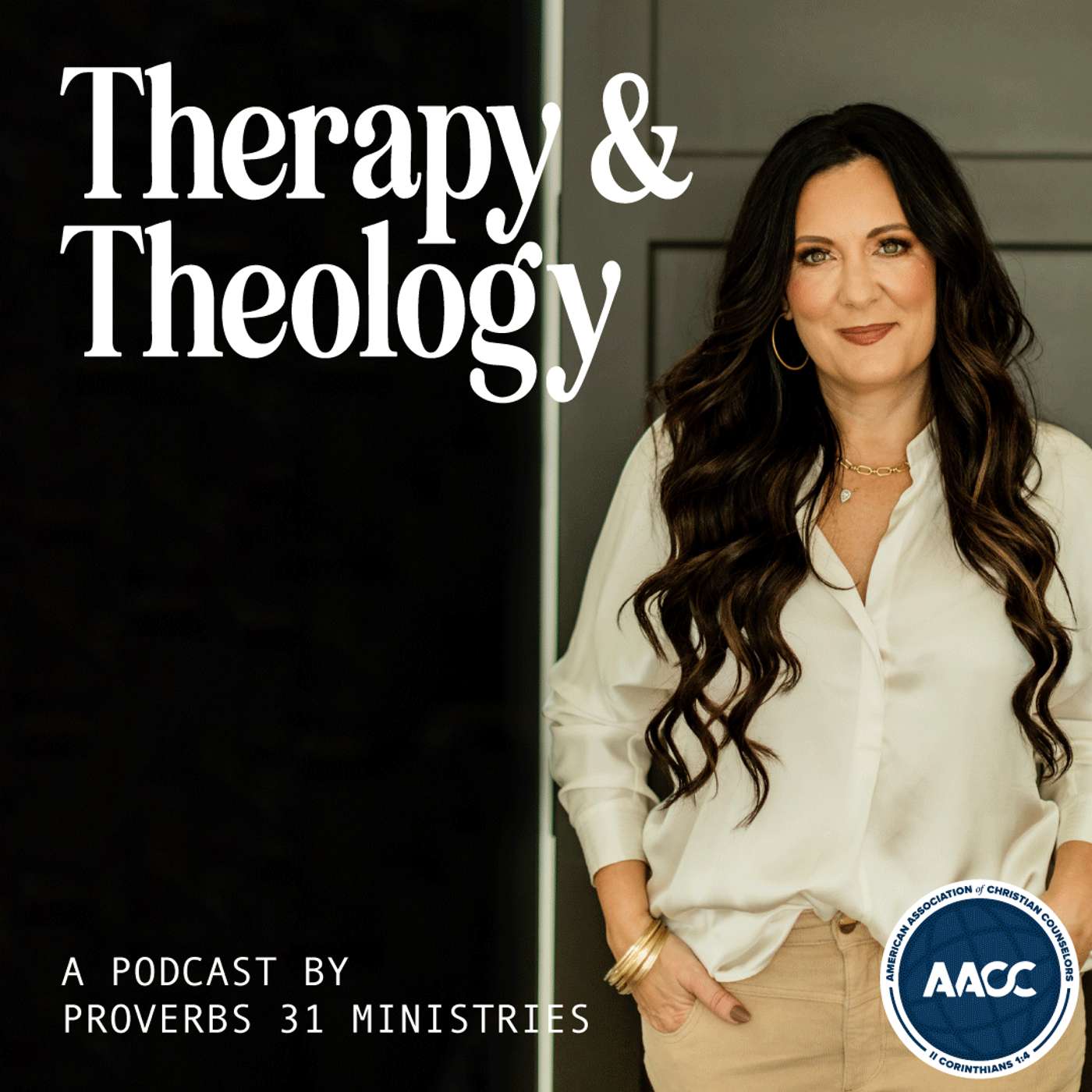
Therapy and Theology · Lysa TerKeurst

S5 E2 | What Do You Ultimately Want?

·30 min·3 clips
Lisa Turkhurst asks how to get over disbelief in hard situations, setting the stage for a deep dive into self-awareness.
Lisa Turkhurst hosts this episode of Therapy and Theology alongside her teammates, Dr. Joel Mutamali and licensed professional counselor Jim Kress. The episode is the second in a season focused on developing self-awareness, specifically examining the underlying motivations for personal behaviors. It serves as a follow-up to a previous discussion on why people engage in actions they wish to avoid. The conversation centers on identifying the core desires or "the thing underneath the thing" that drives observable behavior. Lisa Turkhurst introduces a guiding question for self-reflection: "What do you ultimately want?" Jim Kress explains that surface-level issues often mask deeper, unmet needs or desires, such as a longing for security or significance. The hosts discuss how emotional reactions and repetitive patterns can serve as clues to these deeper motivations. They reference biblical teachings, including the book of James, to explore the concept of desires leading to conflict. A practical exercise is suggested where listeners identify a recurring struggle and trace it back to a fundamental want. The episode promotes a free downloadable resource titled "What's It Like to Do Life With Me?" to aid in this reflective process. A key insight is that behavioral change requires addressing root motivations rather than just modifying surface actions. Jim Kress notes that understanding one's ultimate desire can clarify why certain situations trigger strong emotional responses. The dialogue suggests that many interpersonal conflicts stem from competing or unacknowledged inner desires. Lisa Turkhurst emphasizes that this process of uncovering motivations is a pathway to greater freedom and healing. The hosts connect this self-awareness to spiritual growth, framing it as understanding how God designed individuals. They propose that recognizing these drives can transform one's relationship with oneself and others. The tone is educational and conversational, blending therapeutic concepts with Christian theology. The style is supportive and practical, offering listeners actionable steps for personal reflection. Listeners interested in integrating psychological principles with their faith for personal development would find this episode valuable. Those seeking purely clinical therapy content or narrative storytelling might prefer other material.
Listen to the show on