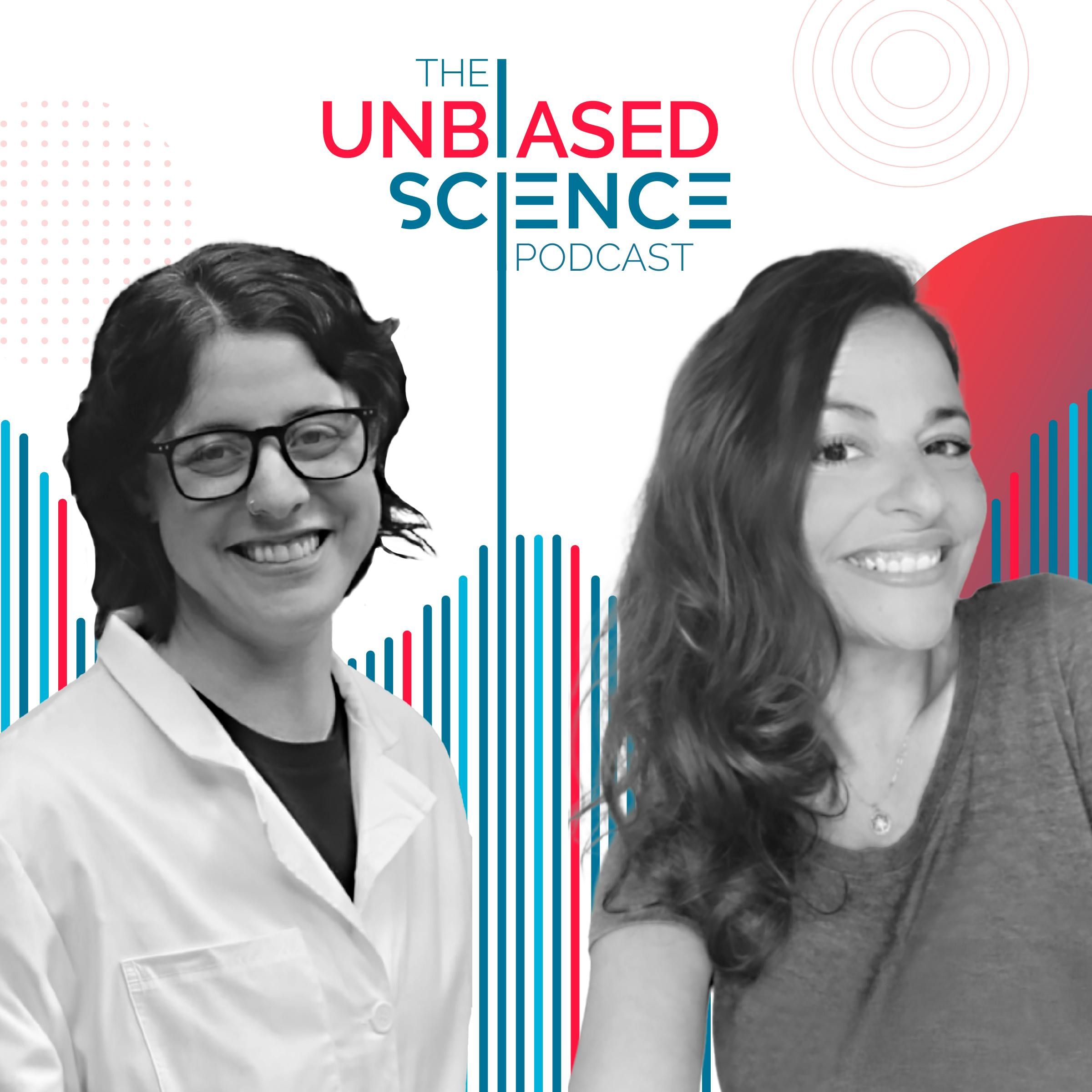
Unbiased Science sits at the busy intersection of health topics, medical evidence, and everyday public-health decisions. It is not a calm lecture series. The rhythm is more like science-literate friends pulling a complicated claim apart while a guest helps keep the details straight. Episodes often open with something current: a legal fight over vaccine advisory committees, a drug-pricing website, or a public-health controversy that needs context. Then the conversation turns practical. What does the evidence show? What is being overstated? Where are the real risks? The show is especially alert to misinformation that can cause harm, from cholesterol denialism to confusion around vaccines and vaping. It does not treat skepticism as a vibe. It asks what counts as evidence and why. Recent conversations cover statins and heart disease, e-cigarette hype and harm, lupus mechanisms and diagnosis, vaccine delivery, food allergies, and the role pharmacists play in public health. The hosts keep the talk moving with quick reactions, clarifying questions, and occasional jokes. Guests are allowed to explain, sometimes at length, but the show regularly pulls the science back toward what a general listener can use. That makes it useful for people who want more than wellness slogans without needing a graduate seminar. The register is casual, but the standards are serious. It can be grave when preventable harm is on the table. It can also be funny when the conversation needs air. The result is a show for listeners who want health claims tested, not just repeated. Its strongest through-line is public health as a daily-life problem: medicine, policy, communication, cost, trust, and risk all tangled together. The appeal is not certainty for certainty’s sake. It is the relief of hearing difficult health topics handled with evidence, context, and a little human impatience for nonsense.