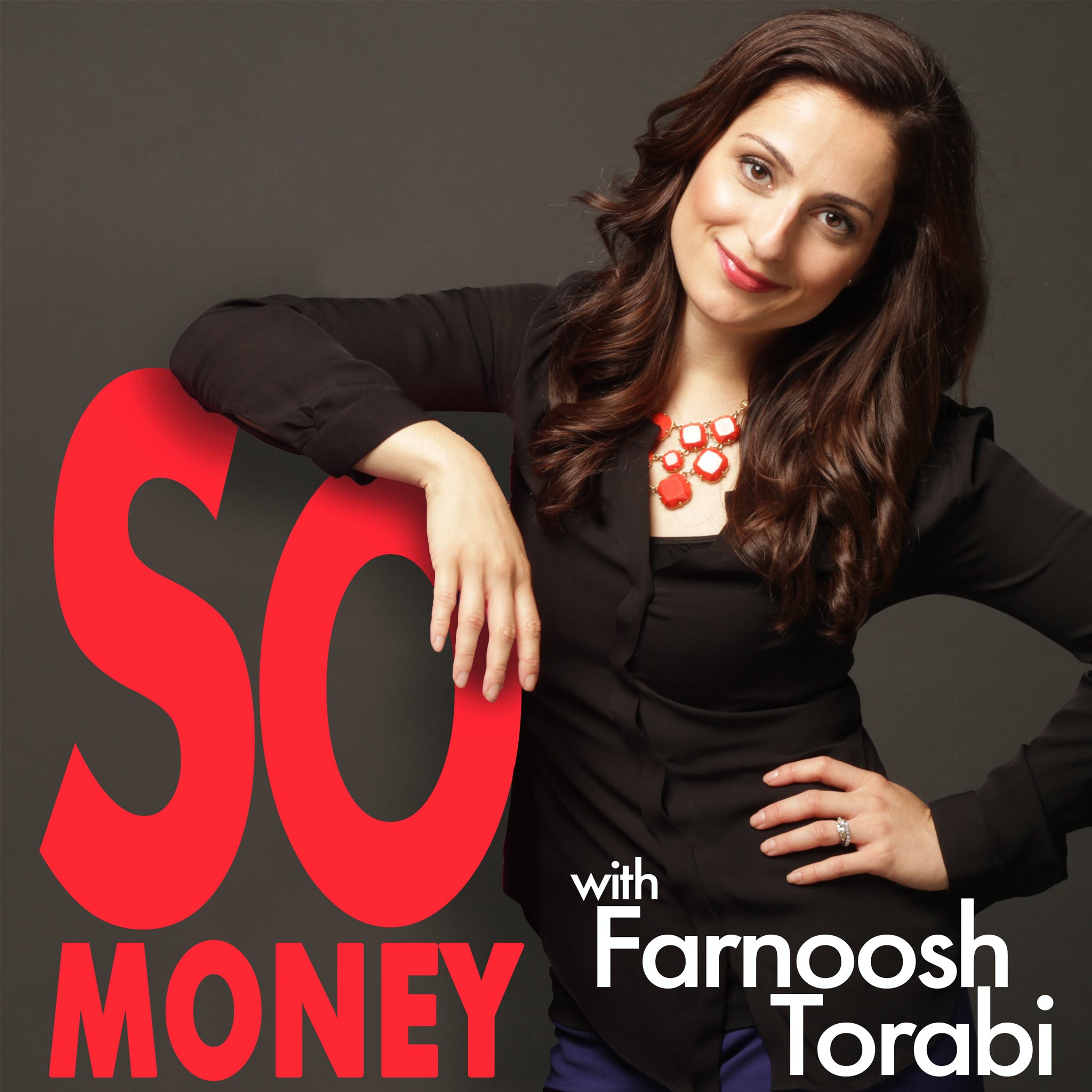
So Money with Farnoosh Torabi frames personal finance as a lived, social, sometimes messy part of adulthood. The show is not only about saving more or investing better, though it covers both. It is about the money questions hiding inside dating, housing, entrepreneurship, family, travel, art, retirement, and cultural trends. Recent Ask Farnoosh episodes show the format at its clearest: a listener brings a specific dilemma, and the answer separates emotion from math without dismissing either one. Should a couple leave a newer apartment to save hundreds a month? Should a tax refund go toward savings, credit card debt, investing, or known expenses? Is gold a sensible hedge, or a distraction from the investment foundation? The advice tends to start with stability: emergency savings, high-interest debt, retirement accounts, diversified funds, and realistic planning for expenses that are already on the horizon. The interviews widen the lens. Liz Leggett talks about collecting art for meaning rather than treating every piece as an investment. Amy Chan connects dating choices to values, generosity, career respect, and financial independence. Mr. Money Mustache returns to early retirement with a focus on personality, simple pleasures, productive hobbies, and the freedom to avoid chasing status. Tiffany Aliche, the Budgetnista, brings a sharper look at why even strong incomes can feel stretched when costs rise faster than comfort. The show also makes room for solopreneurs facing tax confusion, deductions, 1099s, and the anxiety of earning independently. Its strongest habit is translating broad cultural pressure into practical financial sequence. First, figure out what is actually fragile. Then decide what money move reduces that fragility. The result is a polished but conversational finance show for listeners who want advice with numbers, context, and a little empathy.