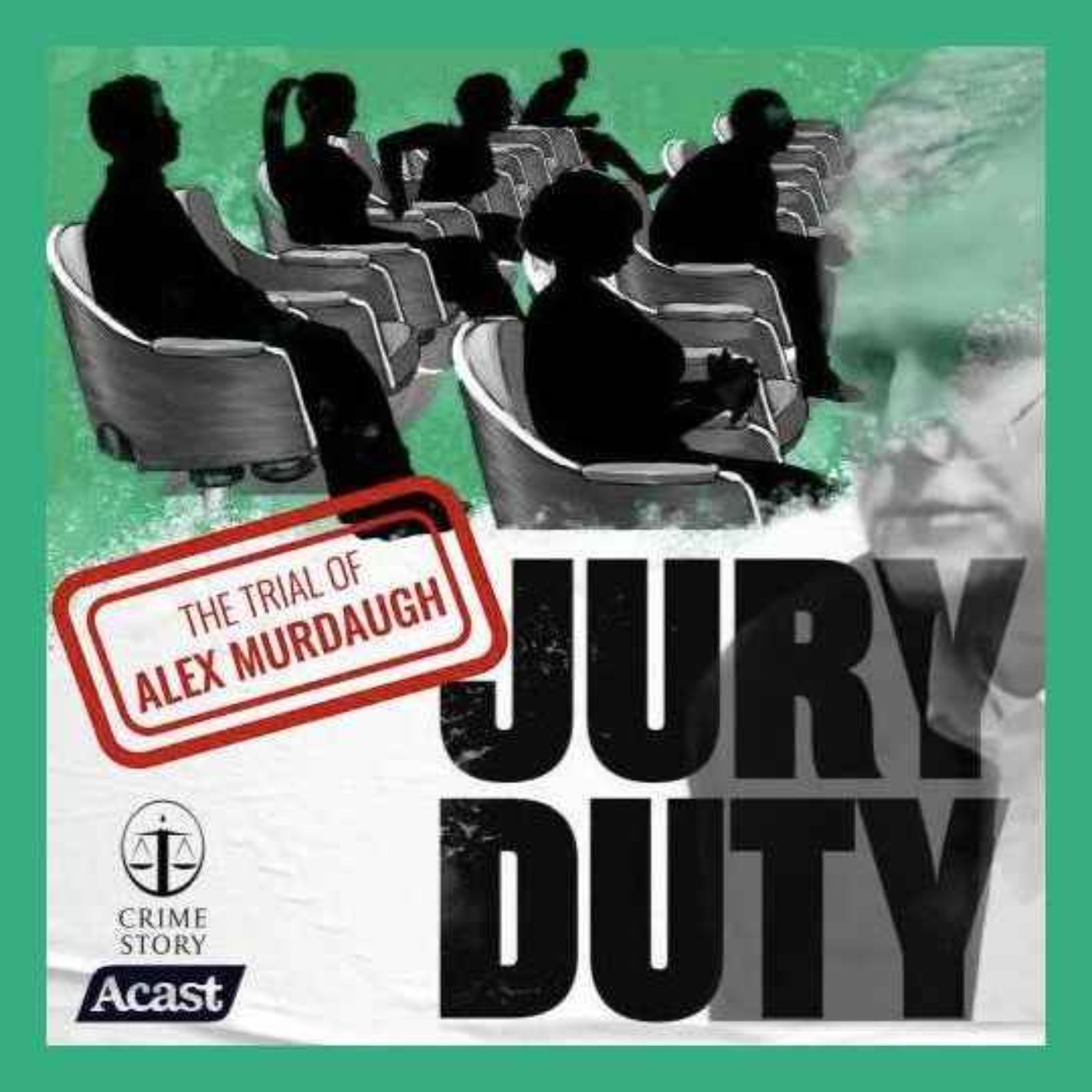
Jury Duty is true crime organized around the courtroom record. It follows criminal trials through testimony, cross-examination, closing arguments, rulings, verdicts, and sentencing hearings. The pacing is deliberate. Rather than flattening a case into a single narrative, the show moves through the machinery of trial practice and lets each procedural step change the listener’s view. Season 8 centers on the Alex Murdoch trial, where the prosecution alleges the murders of his wife Maggie and son Paul occurred amid pressure from financial misconduct and other alleged crimes. The coverage pays close attention to dates, trial days, lawyers’ objections, courtroom rulings, and the way evidence is presented to jurors. A repeated focus is the kennel video timeline and its importance to the state’s case. The defense’s arguments are tracked in detail as well, including phone usage, witness recollections, and disputes over what video or audio can be played in court. The series also follows the state’s rebuttal case, including forensic testimony and challenges to autopsy conclusions. It is strongest when it slows down around a single legal exchange. A question, an objection, or a ruling can become the hinge of an episode. The show’s narration is functional and restrained, built to orient the listener rather than compete with the trial audio. That restraint matters because the material is heavy. Family murder, financial deception, forensic evidence, and victim statements are handled with a records-first seriousness. Later episodes revisit selected Robert Durst trial coverage, including victim impact statements from Susan Berman’s family and Judge Mark Windham’s sentence. Those installments broaden the show’s identity beyond one case while keeping the same courtroom-native structure. Chris Terricone appears as host in the Alex Murdoch coverage, while Robert Durst episodes feature Carrie Antholis and Brittany Bookbinder in a hosted discussion format. Charles V. Bagley joins the Durst sentencing coverage to discuss the day’s larger takeaways. Jury Duty is not built for quick case summaries or personality-led speculation. It is built for listeners who want to hear how legal arguments accumulate, how juries are addressed, and how a verdict is reached in the room where it happens.