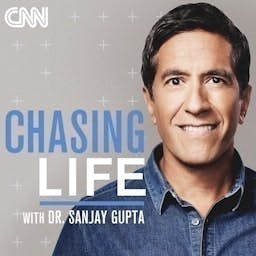
Chasing Life approaches health as a set of daily questions, not a remote lecture from a clinic. The show is curious first. It listens to what people are actually worried about: heart medication, aging eyes, screen time, sleep, scams, breathing, bowel movements, and the fear that comes with uncertain diagnoses. Dr. Sanjay Gupta gives the conversations a recognizable medical center of gravity. He explains terms carefully, but the show rarely feels abstract. A question about astronauts becomes a look at NASA’s RIDGE concerns: radiation, isolation, distance from Earth, gravity, and environment. A question about beta blockers becomes a practical discussion of long-used medication and why doctors are reconsidering who still needs it. The show is willing to be awkward. Its episode on bowel health treats embarrassment as part of the medical problem, bringing in Dr. Tricia Pasricha to connect gut function, brain health, and everyday behavior. It also stretches into culture and technology. Bill Weir’s work on 50 Years of Apple opens a conversation about children, tablets, habits, and what constant devices may be doing to attention and brains. Claire Duffy’s appearance around Terms of Service gives the show a sharper edge, especially when AI-generated fake ads use medical trust to sell false hope. The breathing episode with James Nestor fits the show’s wellness side without becoming vague or misty. It asks how something automatic can also be a skill. The episode with Jonathan Gluck is quieter and heavier, centered on chronic cancer and the strange space between sick and well. That emotional register matters. Chasing Life can be brisk and service-oriented, but it does not treat patients as puzzles or listeners as passive consumers of tips. It works best for people who want health information with context, humility, and a little newsroom urgency. The show’s recurring pattern is simple and sturdy: start with a real worry, bring in reporting or expertise, then leave the listener with clearer questions to take back into life.