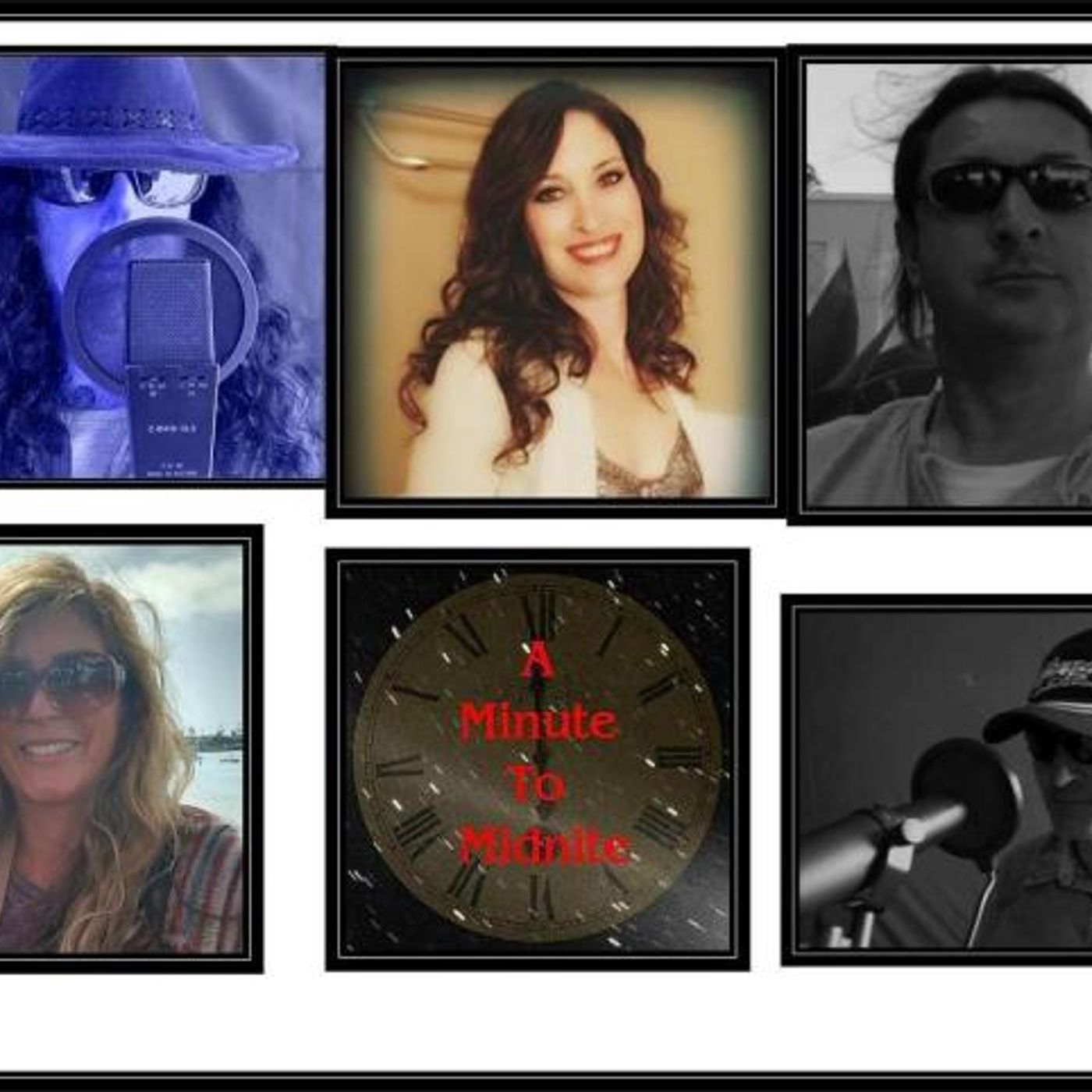
A Minute To Midnite is a Christian interview show shaped by urgency, suspicion, and end-times interpretation. It treats current events as spiritually loaded. Tony, speaking from New Zealand, anchors conversations with guests who connect geopolitics, economics, technology, and doctrine to a larger pattern of judgment and deception. The format is conversational, but the mood is rarely casual. Episodes often begin with a news flash or public controversy and quickly widen into questions about global control, war, food systems, currencies, surveillance, or false Christianity. Recent conversations return again and again to Iran and the wider Middle East. The show asks what happens when gas fields, shipping routes, and military escalation stop being distant headlines and start threatening ordinary life. It also spends time on Trump, constitutional war powers, selective service, and the uneasy feeling that political promises have given way to something darker. The economic thread is just as strong. Lynette Zang’s appearance brings currency history, banking, stockbroking, and gold into the show’s broader anxiety about a financial reset. Other episodes move through fertilizer, fuel, farming, gas prices, and the possibility of starvation. The language can be stark. Weather manipulation claims, HAARP, geoengineering, social credit, COVID-era mandates, and the Great Reset appear as part of the same moral map rather than isolated topics. A Minute To Midnite also makes room for internal Christian dispute. Ralph Strean returns so Tony and the audience can weigh points that raised alarm in a previous interview. That willingness to air disagreement gives the show a more searching texture than pure monologue, even when the worldview remains firmly set. Guests are not squeezed into quick sound bites. They are allowed to spool out long arguments, often with personal background, scriptural framing, and sharp political claims woven together. Tony’s role is part interviewer, part concerned believer, part practical host reminding listeners where to subscribe and how the donation-supported show survives. The result is rough-edged and serious. It is best understood as prophecy-minded Christian commentary for listeners who want world events interpreted through spiritual warfare, not institutional analysis. The show’s distinctive power comes from its live, unsettled quality: a sense that every headline may be another warning, and every conversation is an attempt to read the signs before the next crisis lands.