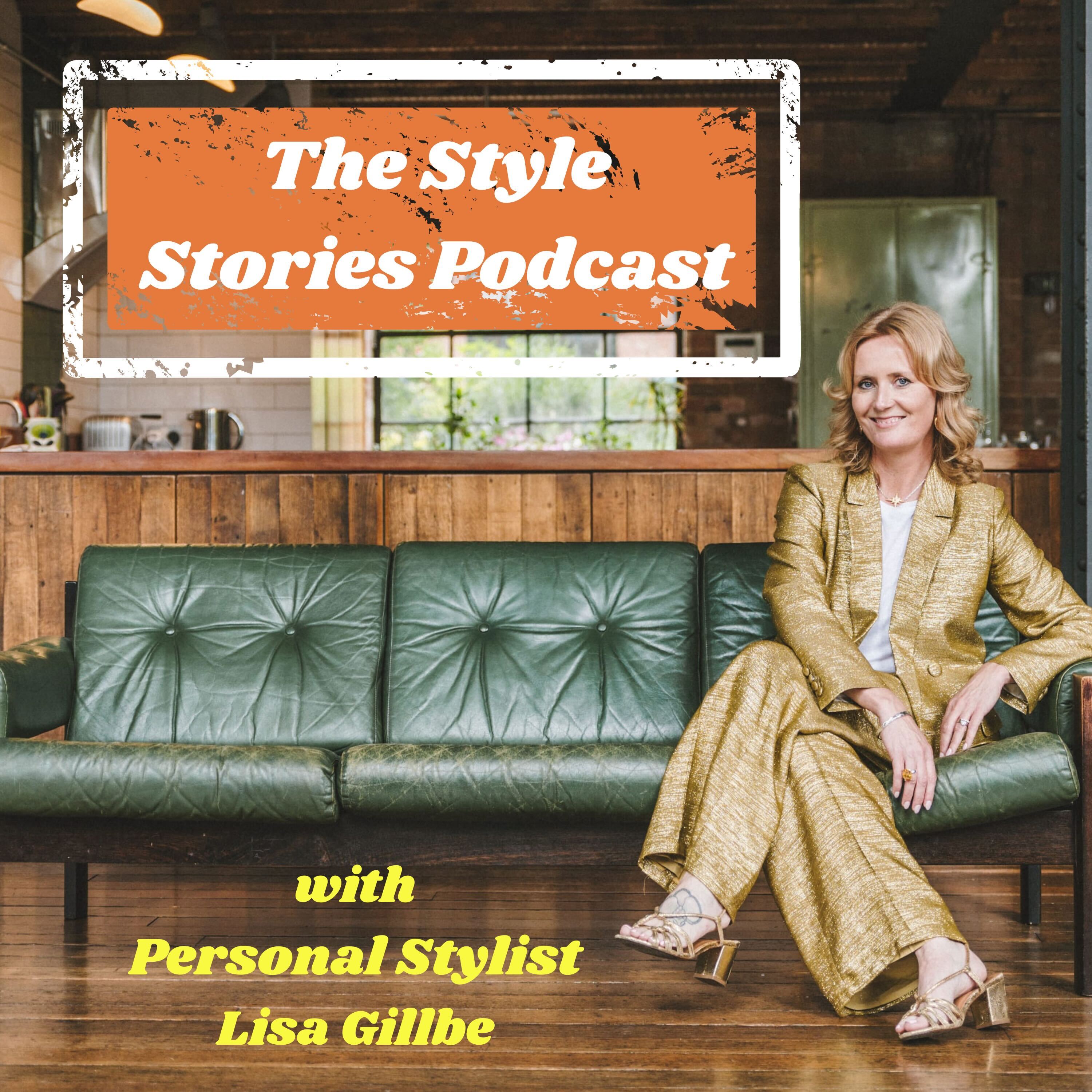
The Style Stories Podcast · Personal Stylist Lisa Gillbe

Cracking the Code: Building Great Outfits with Style Secrets

·27 min·1 clip
Every good wardrobe, as Lisa Gilby says, starts with a declutter and a look at what is missing.
Start with the wardrobe itself. Lisa treats outfit building as something that only starts working once you know what suits you, your occasions, and your personal style. One outfit cannot do the job for everyone, which is the point she keeps returning to. Polished on one person can feel off on another. So the advice stays close to the rail: look at your wardrobe, notice the formulas you reach for, then use small choices to make things feel more deliberate. Detail matters here. Her own low-key outfit gets a bit of charge from leopard print ballet flats, a necklace, and the pieces that stop basics looking tired. Jewellery gets proper airtime, too. She talks through piercings, sparkly earrings, birthstones, clip-ons, and meaningful pieces as easy ways to bring more of yourself into an outfit. A strong lip counts. If a bold lipstick suits you, she sees that pop of colour as a quick lift. Then come coats. Lisa asks when you last updated yours, because one practical coat can quietly make every outfit read practical. The puffer still has a job. Park walks, rain, kids, dogs, and freezing football pitches need coats that work. But it does not have to be the whole story. A camel wool coat, a check coat, or something belted can shift the outfit fast. Jackets get the usual Lisa emphasis: strong wardrobe pieces that help build the look. The episode ends with her London event announcement for next year, with space for up to 80 people and a focus on the deeper why behind what people wear.

As heard by us

Grounded outfit advice that starts with personal style, not fashion rules.

Lisa Gilby keeps the focus on what actually gets worn: start with personal style, then build the formulas and pieces that make an outfit feel finished.

Read the full review in PlayNext →

Why you'd press play

Start with your style, then add the third piece.

Read the full recommendation in PlayNext →
Listen to the show on