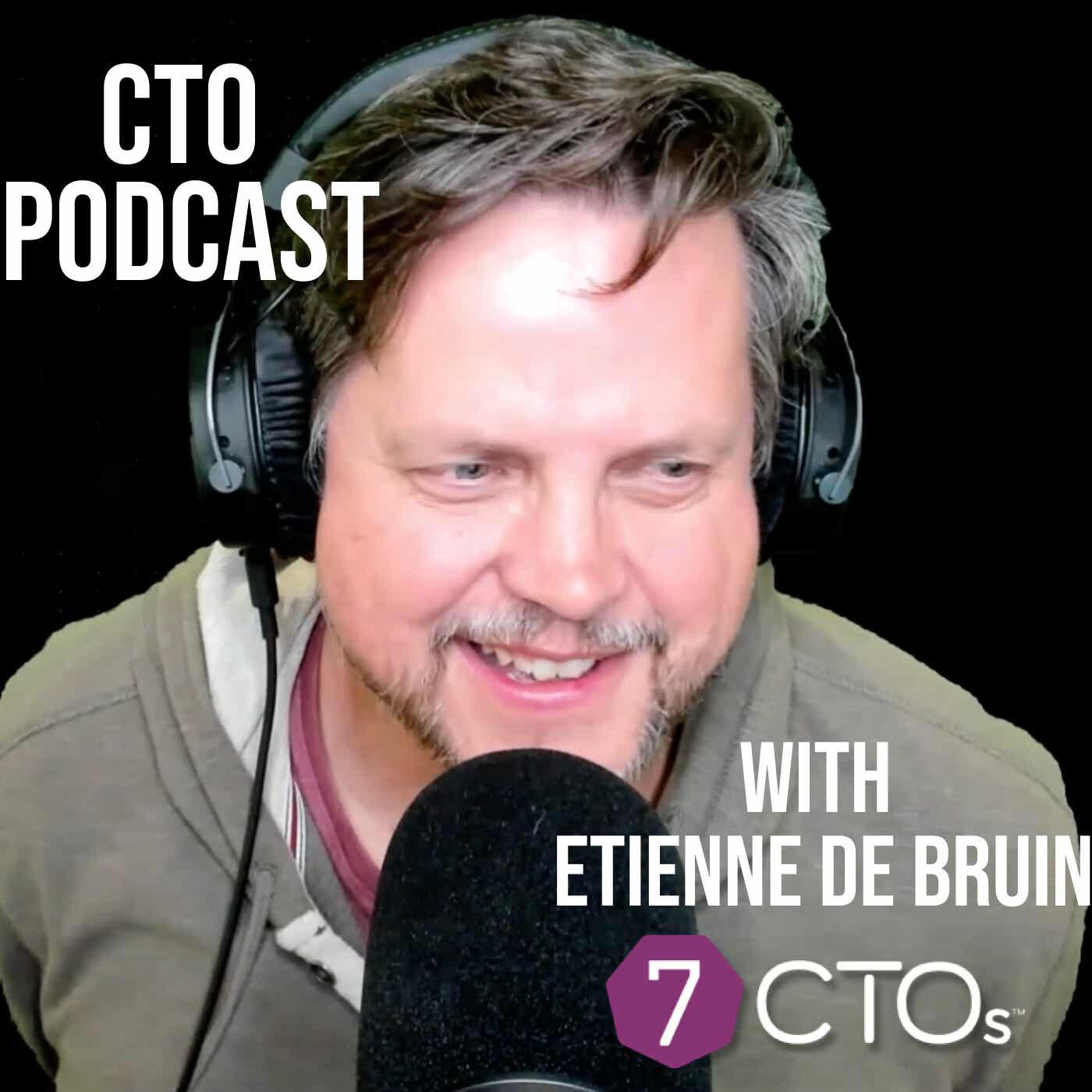
The CTO Podcast · Insights & Strategies for Chief Technology Officers Navigating the C-Suite while Balancing Technical Strategy, Team Management, & Innovation

LIQUID – How CTOs Harness Complexity to Unlock Flow

·1 hr 35 min·5 clips
Scott says Liquid answers the question, “What is the proper work of a CTO?”
Etienne de Bruin frames Liquid as a book for the moment. He introduces it as a story about the hard skills of building technology organizations. The conversation stays focused on complexity, not theory for theory's sake. The authors describe the invisible forces inside companies that can speed things up or grind them down. They also explain why the topic has mattered for years, not just recently. One thread is how the industry talks about CTOs, CEOs, and investors without always matching people to the organization they will actually inherit. The discussion keeps coming back to the idea of levels. A person who thrives in one level of complexity is not automatically right for a different one. That point lands as practical, not philosophical. The episode shows how that mismatch affects hiring. It also shows why knowing the shape of the system matters more than collecting resumes. The authors say they have used that lens in many placements. They are not bragging about network access. They are talking about being able to recognize the complexity a company needs. The book's fictional characters, Alice and Theo, are introduced to make the ideas tangible. Alice is the CEO founder. Theo begins as a principal founding engineer and becomes CTO. That setup lets the authors walk through the messy human side of technical leadership. The discussion returns often to what practical frameworks can change in real organizations. It closes by tying the book back to levels, assessments, and the work of helping leaders see their company more clearly.

As heard by us

A grounded listen on complexity, hiring, and organizational fit for CTOs and the people around them.

The episode treats CTO work as a matter of reading complexity before it hardens into friction. It moves through hidden systems, complexity walls, and the forces that shape company behavior, then turns that into frameworks listeners can use without much ceremony.

Read the full review in PlayNext →

Why you'd press play

When you need a sharper way to read organizational complexity.

Read the full recommendation in PlayNext →
Listen to the show on