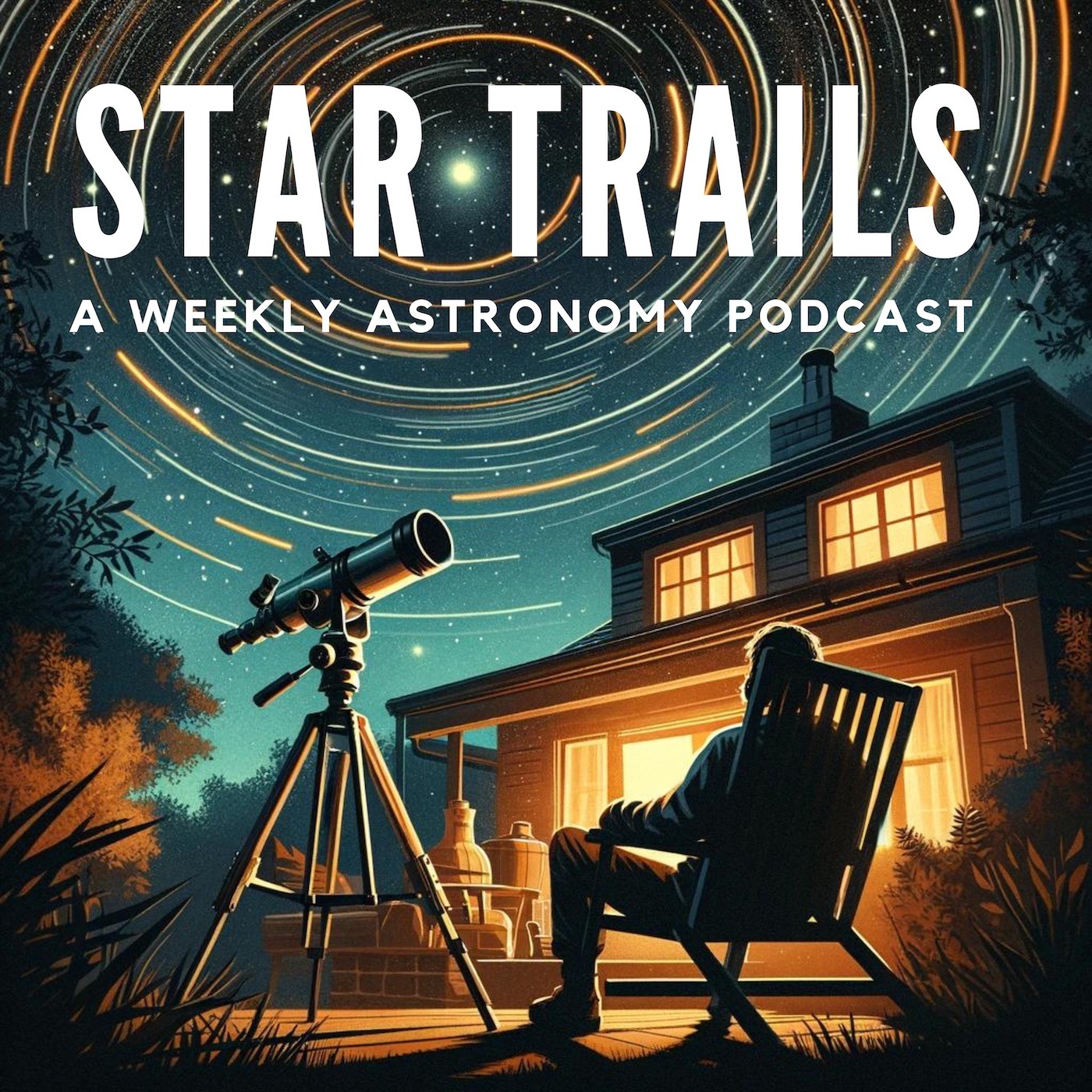
Star Trails: A Weekly Astronomy Podcast · Single Malt Sky

The Case of Pluto: Discovery, Demotion, and Redemption

·26 min
A young telescope builder comes to Lowell Observatory from a family farm. He had grown up building telescopes out of spare tractor parts and sketching Mars and Jupiter before anyone there offered him a job. The task is simple to describe and hard to do. He has to stare into a blink comparator and look for anything that moves against the fixed stars. For months, the work is slow and punishing. Then, on February 18, 1930, he sees a tiny point of light shifting between photographic plates taken weeks apart. Pluto is newly found. The episode keeps that discovery scene at the center. It treats the moment as both technical and human, because the sighting depends on patience, repetition, and a trained eye. The story then widens outward. Pluto is not the only body out there, and it never stays alone for long in the outer solar system. As astronomers learn more about the region beyond Neptune, the Kuiper Belt changes the picture. There are thousands, and likely millions, of objects in that distant zone. Pluto begins to look less like a lone ninth planet and more like one member of a crowded family. That shift leads into the planetary demotion. The episode explains why the vote happened and why it hit such a nerve. Adults who grew up with Pluto in the schoolbook lineup react as if something personal has been taken away. Mike Brown appears as one of the astronomers whose discoveries helped push the issue to a vote. Tyson becomes the public face of the decision for many listeners. The debate turns on whether a scientific label should follow intuition or a stricter definition. Pluto, the episode argues, had been under pressure from the beginning. The story does not leave Pluto there. It follows the emotional afterlife of the demotion and then opens back out into the late discovery of the outer solar system. Tombaugh's ashes ride aboard New Horizons when it launches in 2006, the same year Pluto is demoted. Nine years later, the spacecraft arrives and sends home images that change Pluto again. The world is not a frozen relic. It has towering mountains made of water ice, vast glaciers of frozen nitrogen, a thin blue atmosphere, and a giant heart-shaped plain. The episode uses that return to restore scale and wonder. Pluto is still tiny, still distant, and still hard to see from Earth. But it is also more varied than the old frozen-relic image suggested. The final stretch brings the listener back to observing and to the practical question of what it takes to find a world that far away. It is part history lesson, part astronomy primer, and part reminder that scientific categories can change when better data arrive. The result is a Pluto story that feels settled and open at the same time.

As heard by us

Pluto's story unfolds as discovery, debate, and a New Horizons coda.

The piece follows Pluto from a telescope-built search on a family farm to the 1930 discovery, then into the later debate over bodies beyond Neptune that forced a rethink of what counts as a planet.

Read the full review in PlayNext →

Why you'd press play

You want Pluto's arc, from a telescope hunt to demotion and a New Horizons flyby.

Read the full recommendation in PlayNext →
Listen to the show on