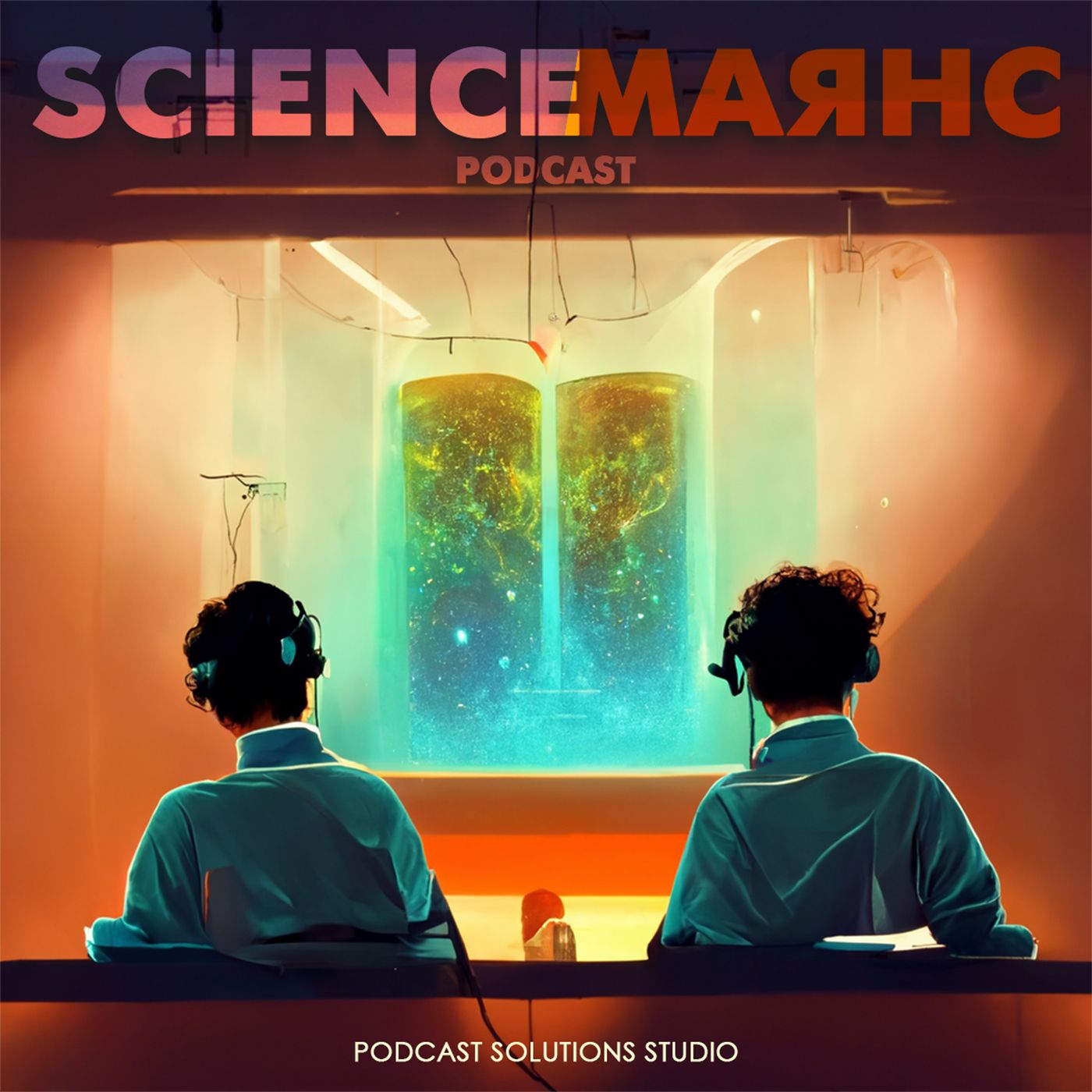
1. Science Маянс Podcast S01E30 circles around neuroaesthetics, music, ballet, and repeated claims about “meaning” and “knowledge.”
2. The speakers are not clearly named in the transcript, but one participant repeatedly explains examples while another asks questions and reacts.
3. The episode seems to ask what art does to the brain, especially through “sensory neurons,” “motor neurons,” and emotional response.
4. Samuel Zeki is named in connection with “Mirror Cell,” and the conversation uses that example to frame the idea of brain response to art.
5. The transcript defines neuroaesthetics as a study of what the brain does when people encounter art, music, and visual forms.
6. A second line of explanation separates “sensory neurons” from “motor neurons” and says art involves both.
7. The discussion then moves to Savant syndrome, described as a case where a person focuses on one thing while lacking awareness of the broader world.
8. Another section turns to ballet and says its shape feels circular, sharp, and long depending on how it is viewed.
9. The speakers also return to songwriting and say a song should be written so it feels like a song, not only a technical exercise.
10. A repeated point is that the listener needs “meaning and knowledge” to understand a language, a song, or a work of art.
11. One memorable thread ties music to body movement, with the transcript saying the body is moved by the music people hear.
12. Another moment says there are “3 types of sensory motor systems,” followed by “Emotion and evaluation system,” “Meaning,” and “knowledge.”
13. The transcript also mentions “gray matter” and says it is “a very complex matter” several times.
14. The conversation brings up “Mirror Cell” again and says the model or system should be developed before people use it.
15. There is a longer passage about “the magic of the moment,” where the speakers connect a poster, light, night, and sound to artistic experience.
16. The episode repeatedly insists that stress should not dominate art, because people work better with feeling and emotional comfort.
17. The tone is informal and improvised, with rapid topic shifts, interruptions, and several false starts.
18. The format feels like a back-and-forth explanation session rather than a polished lecture.
19. Good fit for listeners interested in neuroaesthetics and art theory.
20. Skip if you want a tightly structured, topic-specific interview.