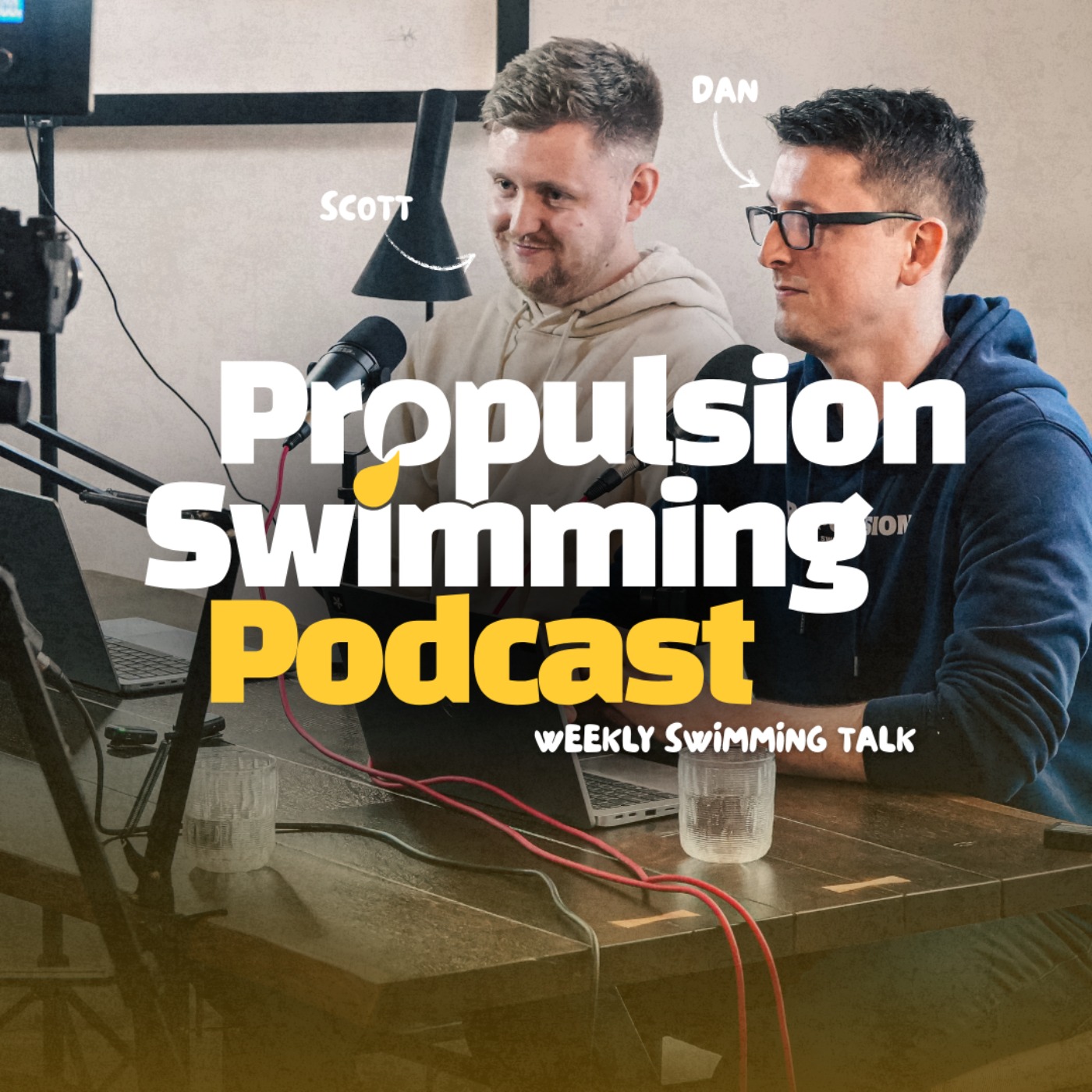
Propulsion Swimming Podcast · Propulsion Swimming

Westmont Review | World Aquatics World Cup 2025

·35 min·2 clips
Molly O'Callaghan became the first woman under 1:50 in the 200 freestyle.
1. Propulsion Swimming Podcast reviews the World Aquatics World Cup 2025 stop in Westmont, Chicago, where four short course world records were set. 2. Host Scott and co-host Dan lead the episode, and their swimming analysis matters because they connect results, formats, and athlete development. 3. The episode asks what World Aquatics is for this season: record swims, major names, and a better way to present swimming to viewers. 4. Molly O'Callaghan's 1:49.77 in the 200 freestyle becomes the opening benchmark because it makes her the first woman under 1:50. 5. Scott and Dan compare O'Callaghan with Ariarne Titmus, Emma McKeon, the Campbell sisters, and Kate Douglass as part of Australia's and the sport's elite freestyle pipeline. 6. Regan Smith's 54.02 in the 100 backstroke ties the world record and comes against Kaylee McKeown in a race the hosts frame as a major rivalry. 7. McKeown wins that backstroke matchup, and the hosts stress that her 200 backstroke form remains the standard to beat. 8. Kate Douglass lowers the 100 freestyle world record held by Kate Campbell for eight years, and the hosts note the half-second margin as a major change. 9. Lani Pallister adds a 15:13 in the 1500 freestyle, which the hosts describe as strong enough to keep her near the top of the women's distance picture. 10. Ariarne Titmus's retirement at age 26 becomes a separate discussion point, with Scott and Dan saying she has already achieved the goals that mattered most to her. 11. They point to Titmus beating Katie Ledecky as the achievement that defined her career more than any single time standard. 12. The episode spends substantial time on why American college swimming produces such strong turns and underwaters in short course formats. 13. Scott links Regan Smith, Kate Douglass, Huburt Kos, and Shane Casas to the U.S. college system as examples of swimmers shaped by yards racing. 14. Dan argues that 25-yard racing forces swimmers to spend more time underwater, which carries into long course success as well. 15. The hosts compare that system with the UK, where they say Buckinghamshire competition and university pathways do not provide the same pressure or facilities. 16. Adam Peaty's 100 breaststroke result rises from a 58-point-high in Westmont to 57.00, and the hosts treat that improvement as a sign of race sharpness. 17. They also note Peaty's 26.1 in the 50 breaststroke and suggest that back-to-back racing is starting to work for him. 18. The episode sounds conversational and opinionated, with Scott and Dan often moving from race review into sport-structure debate. 19. Listeners who follow elite swimming, short course records, and Australian and American rivalry will get the most from it. 20. Viewers who want only race results without format debates may skip it.
Listen to the show on