Mindfulness Meditation Podcast · Rubin Museum of Himalayan Art

Mindfulness Meditation with Lavina Shamdasani 04/10/2025

·32 min·2 clips
A grieving mother learns acceptance through Buddha's lesson about mustard seeds and universal loss.
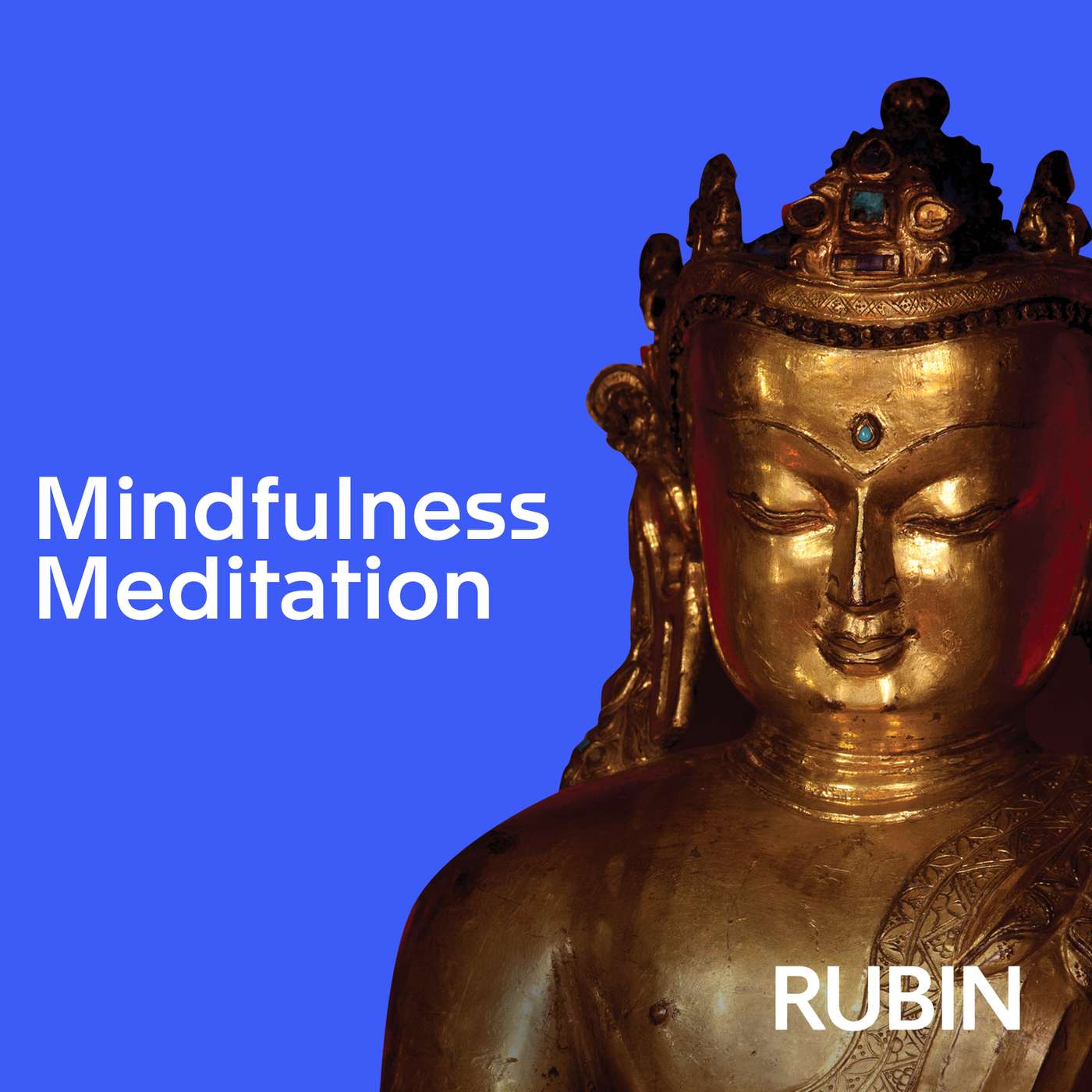
This episode features a guided meditation on renewal led by teacher Lavina Shamdasani, hosted by Tashi Chodron from the Rubin Museum of Himalayan Art. The session draws inspiration from a specific artwork in the museum's collection. Lavina Shamdasani is a certified compassion teacher through the Compassion Institute and Stanford University. The meditation theme is connected to a 19th-century Mongolian sculpture of Maitreya, the future Buddha associated with loving kindness and a prophesied golden age. The sculpture is made of gilded copper alloy with mineral pigments and stands about ten inches tall. It is modeled on the style of Zanabazar, a 17th-century Mongolian artist and the first reincarnate lama from Mongolia. Lavina defines renewal as embracing new intentions and cultivating hope, which is possible in every moment rather than just on special occasions. She identifies habitual patterns, rumination on past hurts, and self-criticism as barriers to renewal. A key step is letting go of these patterns through acceptance, specifically "acceptance with loving kindness." Lavina shares a story about a woman named Kusami from the time of the Buddha to illustrate acceptance. Kusami could not accept her young son's death and searched for a magical cure. The Buddha instructed her to fetch mustard seeds from a home untouched by death, a task that proved impossible and helped her accept her universal experience of loss. The guided meditation instructs listeners to bring attention to their breath and notice its natural rhythm and temperature. Participants are asked to identify a personal element that does not serve them, such as negative self-talk or past hurt. The practice involves breathing in qualities like love and light while exhaling to release and let go. Lavina suggests physically placing a hand on the heart center during the practice. She frames acceptance as an act of releasing, not giving up, which gradually lessens pain. The meditation concludes by inviting participants to envision new possibilities for themselves and what they could offer the world. The episode's tone is instructional and calming, blending art history with personal anecdote and guided practice. It is presented in a supportive and educational style aimed at fostering introspection. Listeners interested in art-based mindfulness, Buddhist stories, and structured compassion meditations would appreciate this episode. Those seeking fast-paced discussion or purely secular mindfulness without spiritual references might prefer to skip it.
Listen to the show on