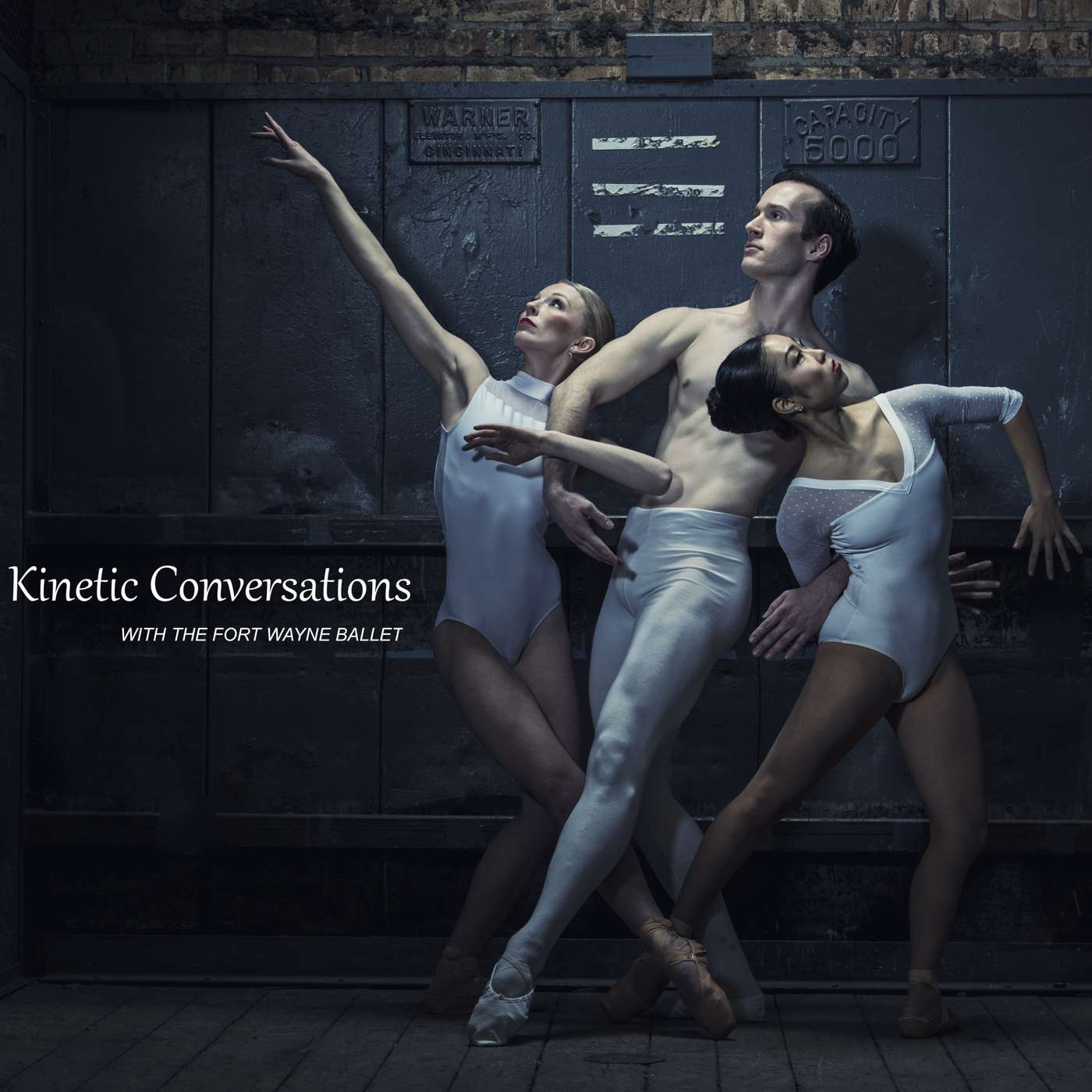
Kinetic Conversations with the Fort Wayne Ballet · Jim Sparrow, John Dawkins

Ballet 101 Miniseries: A Fairytale in Dance, Episode 3: Story Through Movement

·12 min·1 clip
Artistic Director Karen Gibbons-Brown reveals how Swan Lake's story has remained unchanged for centuries.
This episode concludes the Fort Wayne Ballet's "Ballet 101" miniseries on story ballets, focusing on narrative construction. Hosts are joined by the company's Artistic Director, Karen Gibbons-Brown. They specifically examine the libretto, characters, and plot of the classic ballet *Swan Lake*. Gibbons-Brown states the core libretto of story ballets has seen little fundamental change across Romantic, Classical, and Neo-Classical eras. She cites the contemporary children's film *The Swan Princess* as evidence of *Swan Lake*'s enduring narrative strength. The primary evolution she identifies is in physical expression, not story. Changes in costume design, like the removal of restrictive whalebone corsets, granted dancers greater freedom of movement. This increased range of motion allows for enhanced musicality and expressiveness. Dancers can now extend certain movements for longer durations. They can also execute other movements with greater speed and sharpness. These technical advancements influence how the existing story is physically conveyed. A key insight is that narrative longevity is attributed to the story's inherent power, not adaptation. The discussion frames costume evolution as a direct catalyst for artistic development in performance. The liberation from restrictive garments is presented as unlocking new dimensions of musical interpretation. The episode suggests a dancer's technical capacity directly shapes narrative expression. *Swan Lake* itself is described as a "beautiful ballad," framing it in musical terms. The tone is educational and conversational, led by an expert's perspective. The style is analytical, breaking down the relationship between narrative tradition and performative evolution. This episode is ideal for dance students, ballet newcomers seeking to understand classic narratives, and those interested in the history of theatrical costume. Listeners seeking critical analysis of ballet's social themes or purely performance-focused content might find it less engaging.
Listen to the show on