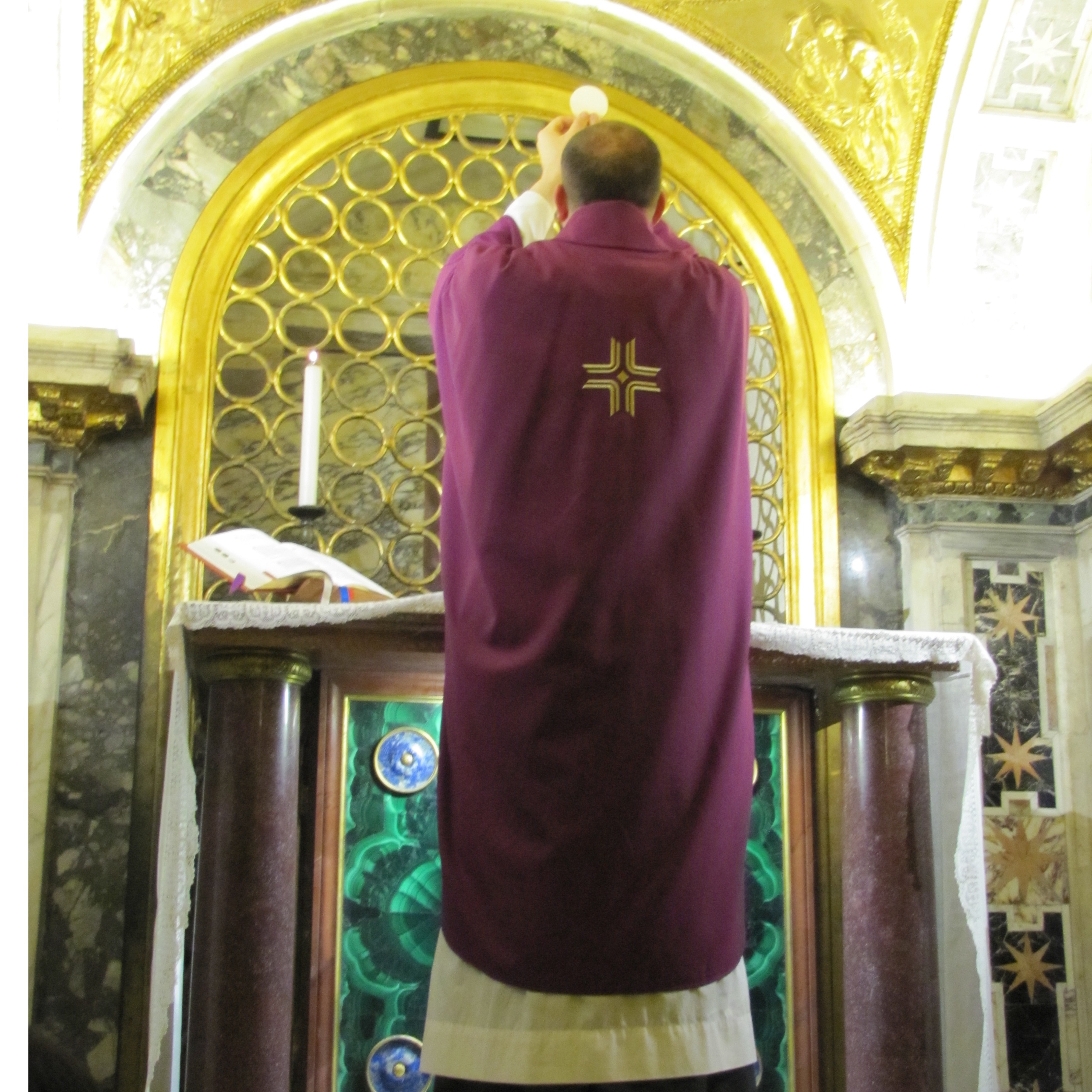
Fr. Brent Maher

From Sabbath to Sunday - Sermon for March 23

·18 min·1 clip
Fr. Brent Maher explains why Christians moved from the Sabbath to Sunday and what this shift means for faith today.
This sermon by Fr. Brent Maher explores the theological shift from observing the Jewish Sabbath on Saturday to the Christian celebration of the Lord's Day on Sunday. He examines the distinct purposes and meanings of these two days of worship. The episode is a theological reflection aimed at clarifying a foundational Christian practice. Fr. Maher begins by reiterating that the Sabbath, Saturday, and the Lord's Day, Sunday, are not the same. He states the Sabbath is the seventh day, while Sunday is theologically considered the first day or the "eighth day." The Old Testament mandate to keep the Sabbath holy involved numerous restrictions on work for the Jewish people. The core purpose of these Sabbath laws was to facilitate remembrance of God's deeds and foster complete trust in divine providence. It was a day to cease striving for personal provision and gain. The central question posed is how and why Christians transitioned from the Sabbath to Sunday observance. Fr. Maher clarifies this was not a simple transfer of Saturday's rules to a new day, as Christians do not follow the same restrictive Sabbath laws. He notes Christians may perform activities like pressing elevator buttons, cooking, or lighting fires, which traditional Sabbath law prohibits. A key insight is framing Sunday as the "eighth day," symbolizing the new creation initiated by Christ's Resurrection. The shift represents a move from the covenant of Creation and Law to the covenant of Grace and Resurrection. The sermon argues the Christian Sunday is fundamentally about celebrating the new thing God has done in Jesus, rather than commemorating the completion of the old creation. The restrictive laws were a specific framework for Israel to achieve the Sabbath's purpose of trust and remembrance. For Christians, the fulfillment of the law in Christ changes the form of observance while aiming for a similar spiritual goal of entrustment to God. The tone is instructional and pastoral, delivered in a formal sermon style. It is educational, systematically building a theological argument from scriptural principles. Listeners interested in Christian liturgy, theology, or the historical development of church practices would find this episode valuable. Those seeking a narrative story or casual conversation might find its academic and homiletic style less engaging.
Listen to the show on